Why Stainless Steel Pipe is at the Heart of Modern Data Center Infrastructure
Data Centers are centralized locations which house the physical components required to operate the ever-expanding demand for data processing speed and power. Spearheaded by AI, the number of daily data transactions and the user mandated speed with which these queries need to be completed, places intense operational requirements on the data centers themselves.
With this increase to the speed and demand placed on the data center systems, it creates a dramatic increase in the heat generated by the systems themselves. To control the cooling within the data centers, Coolant Distribution Units (CDUs) are at the forefront of this technology but still require a dependable solution to deliver the cooling power to the hardware within the data center.
Liquid Cooling Systems offer superior results when compared to air cooling as the base fluid in these systems is generally water, which has a much higher thermal conductivity than air. This allows the liquid cooling system to draw heat away from the data center hardware more effectively, resulting in an optimal working condition.
Piping materials should be selected based on risk management and not just cost. Choosing the right material directly impacts the total cost of ownership, as you will not need to make as many replacements and are at less risk of damage to the hardware.
The Role of Piping Systems in Data Centers
Piping is used in the cooling systems of data centers to circulate the chilled water (water mixed with a chemical such as glycol) throughout the system and control the temperature of the hardware. With the continuously expanding use of data centers, more so with the rise of AI, it is critical that the cooling system be reliable.
The data center cannot afford to have a leak as it could be devastating on two fronts; the hardware would not be cooled correctly, or the leak would damage the hardware itself. This is why the reliability of the pipe & the rest of the piping system is a key requirement for data centers.
Why Stainless Steel Pipe is the Best Option
Superior Corrosion Resistance = Longer System Life
Stainless steel pipe provides exceptional resistance to corrosion from various chemical, some of which can include chlorides, glycol solutions & other chemicals that are commonly found in cooling systems.
This corrosion resistance helps prevent rust, scaling and degradation; and ultimately, reduces the risk of piping system failure and extends its lifespan.
Exceptional Durability & Mechanical Strength
Data cooling systems operate continuously while under demanding conditions. Stainless maintains its structural integrity even under high pressures, constant fluid circulation & temperature fluctuations giving the data center long-term, reliable performance.
Reliable Thermal Performance
Stainless steel pipe can withstand repeated cooling & heating cycles without compromising its strength or performance, making it an ideal choice for data center cooling applications.
Clean, Efficient System Operation
Stainless steel pipe has a smooth interior surface which results in optimal flow characteristics for the chilled water, thereby providing a more efficient cooling performance. Additionally, the smooth surface helps to prevent scale build up, minimizes sediment accumulation and microbial growth, further helping to ensure the cooling performance is correctly maintained over the life of the system.
Lower Total Cost of Ownership
Although stainless steel pipe is a higher initial investment, its durability, corrosion resistance & low maintenance significantly reduces pipe repair, replacement & operational costs throughout the life of the piping system. At the end of the day, this means a lower total cost of ownership & greater long-term value to data center ownership.
Common Stainless Steel Grades Used in Data Centers
There are 2 most commonly specified grades of stainless steel used for data center cooling & mechanical piping systems: Type 304/304L and Type 316/316L. Both offer excellent durability, corrosion resistance & long service life. Type 316 provides added protection in environments where chlorides, chemicals or glycol-based cooling fluids are used.
304/304L and 316/316L Stainless Steel for Data Center Piping
| Feature |
304/304L Stainless Steel |
316/316L Stainless Steel |
| Typical Use |
Most common grade for general data center piping applications |
Preferred for systems exposed to higher chloride levels, chemicals, or glycol solutions |
| Cost |
Lower initial cost |
Higher initial cost due to molybdenum content |
| Corrosion Resistance |
Excellent in standard operating environments |
Superior resistance to chlorides, chemicals, and corrosion |
| Chemical Resistance |
Good |
Excellent |
| Strength & Durability |
High strength and long service life |
Enhanced durability and resistance to stress corrosion cracking |
| Maintenance Requirements |
Low maintenance; may require earlier inspection in harsher environments |
Minimal maintenance with exceptional long-term reliability |
| Lifecycle Performance |
Excellent long-term performance |
Maximum service life and reliability in demanding applications |
| Best For |
Closed-loop cooling systems and standard water applications |
Mission-critical cooling systems and environments requiring maximum corrosion protection |
Carbon Steel Pipe in Data Centers
Carbon steel pipe is a common choice for certain data center cooling & mechanical systems due to its strength, availability & upfront lower cost. Carbon pipe can perform well in a closed loop environment; however it requires greater attention to water quality & corrosion prevention as compared to stainless steel.
Carbon Steel Pipe Advantages and Considerations for Data Centers
| Advantages |
Considerations |
| Lower Initial Cost |
Generally less expensive than stainless steel, reducing upfront project costs. |
| High Strength |
Handles high-pressure applications and large-diameter piping systems effectively. |
| Widely Available |
Commonly stocked and familiar to contractors and installers. |
| Proven Performance |
Has been successfully used in HVAC and cooling systems for decades. |
| Good for Closed-Loop Systems |
Can provide reliable performance when fluid chemistry is carefully controlled. |
Where Stainless Pipe Is Most Critical in Data Centers
Stainless Pipe is most critical for liquid cooling systems where long-term reliability is vital. Its high strength enables it to withstand operating pressures while its corrosion resistance helps protect it against water-glycol mixtures & treatment chemicals used often in cooling loops. As a result, less risk of leaks, contamination, unplanned maintenance & system downtime.
What This Means for Wholesalers
The data center boom is mostly driven by AI , cloud computing & high-density environments. As the adoption of liquid cooling continues to increase, demand for corrosion-resistant piping materials is also rising.
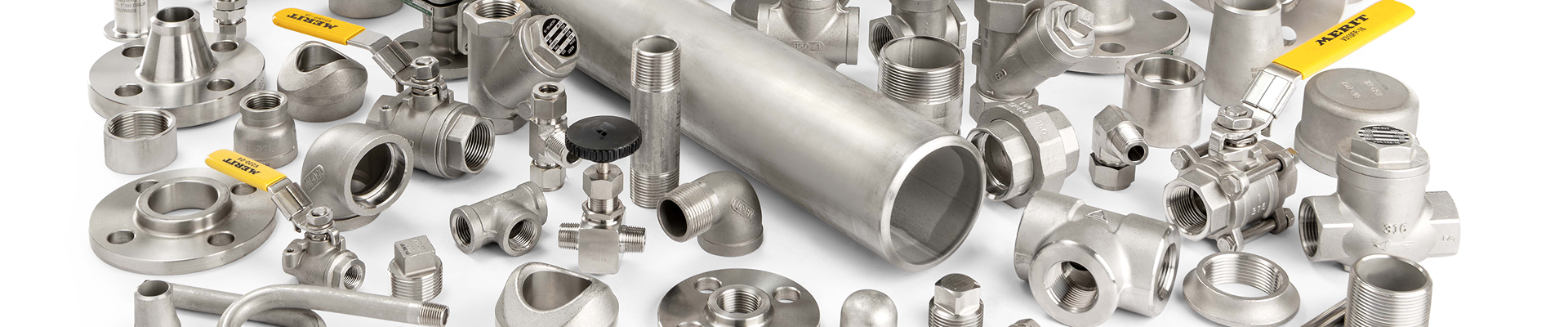
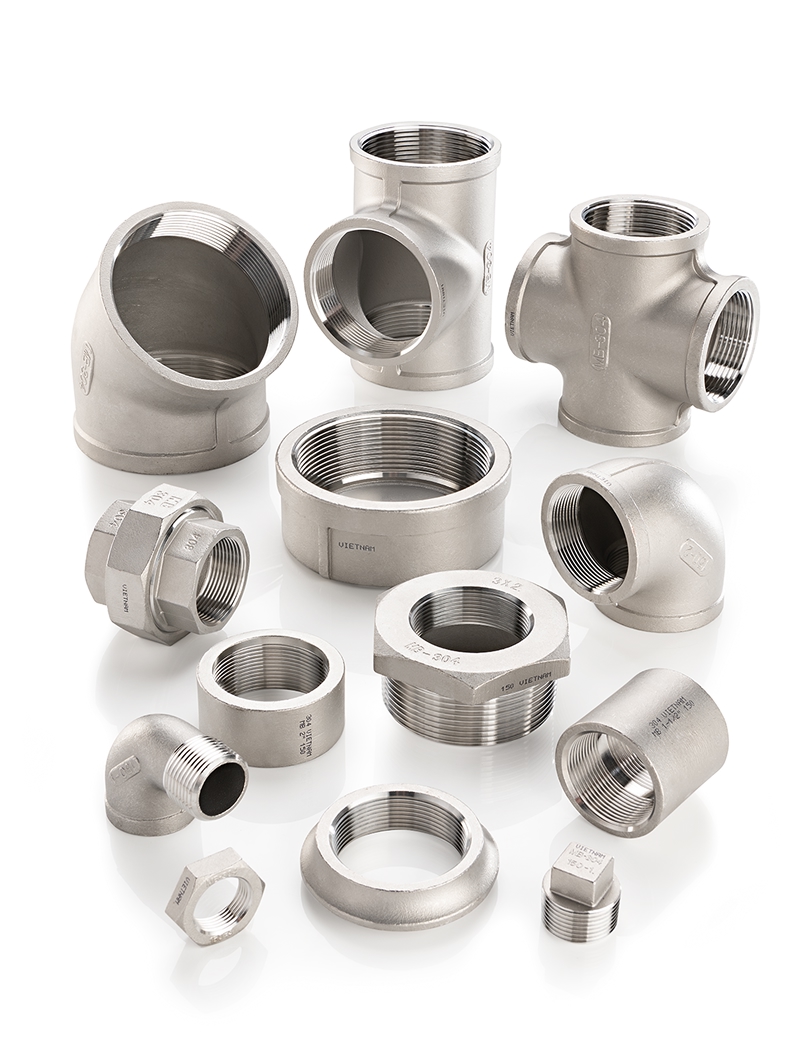
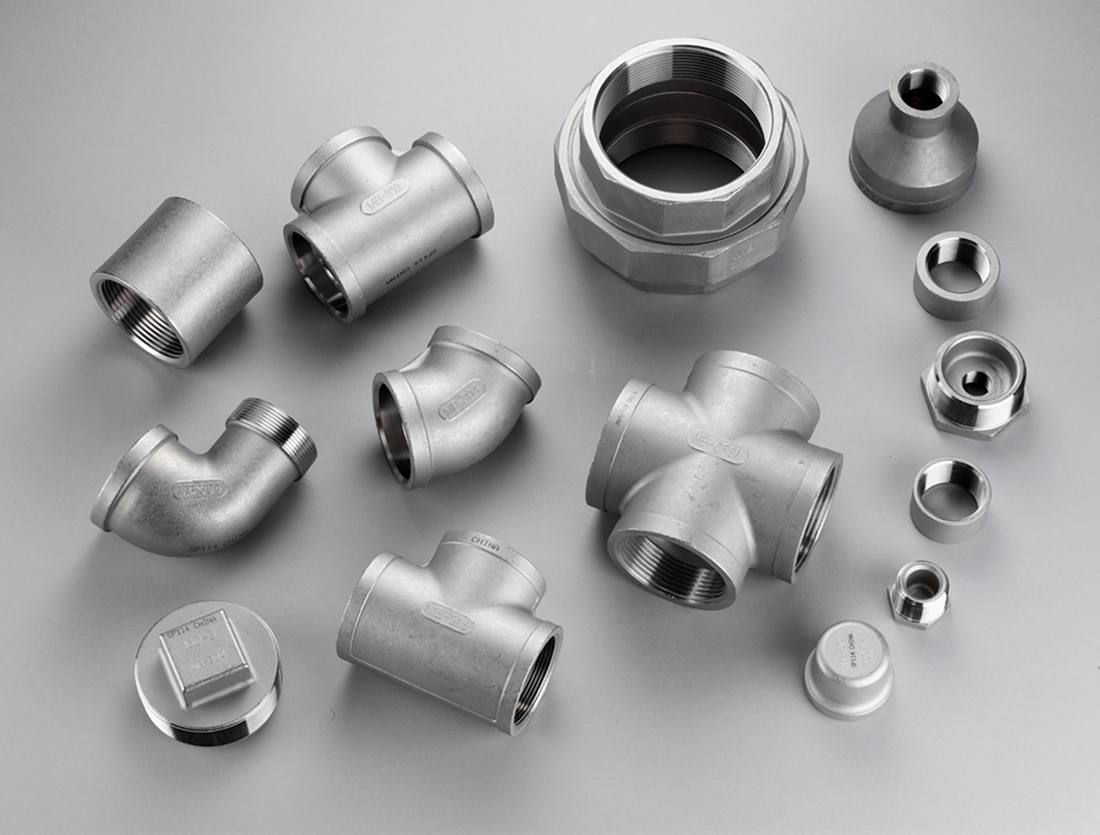
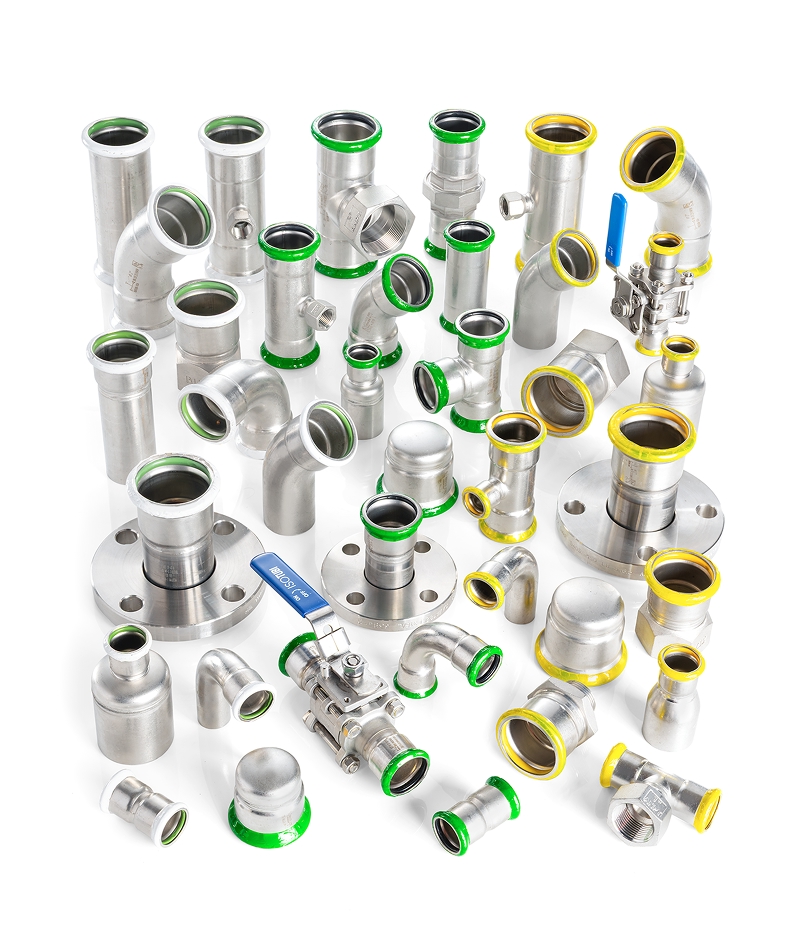
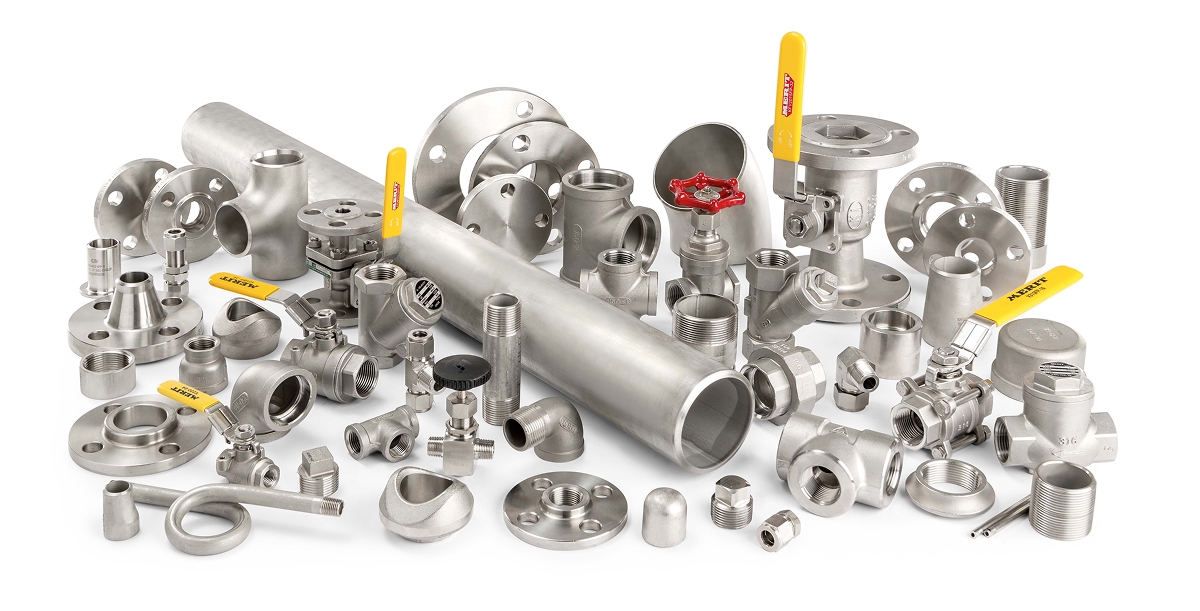
For wholesalers, this presents you with an opportunity to grow your sales through a complete stainless offering including: pipe, pipe fittings, pipe nipples, pipe flanges, pipe valves & press fittings and valves. By housing these products in your inventory, you will help contractors and end users reduce project delays & support the increasing demand for critical cooling infrastructure.
View our Stainless products
What This Means for Contractors
Data centers demand reliable cooling infrastructure because they cannot afford to have unplanned downtime due to the significant operational and financial implications.
Stainless steel provides contractors with a proven solution for projects where performance, uptime and longevity are vital success factors.
What Engineers Need to Consider
Material selection is a critical part of data center system design. Engineers must evaluate compatibility with:
- water-glycol mixtures
- treatment chemicals
- operating pressures
- expected temperature ranges
When evaluating materials, the decisions should extend beyond initial installation costs. Consideration should be placed around: lifecycle costs, maintenance requirements, accessibility for future service & system longevity.
The Shift Toward Stainless in Data Centers
Stainless steel is becoming the common specification as data centers evolve to support higher rack densities, liquid cooling technologies and AI workloads
Risk Management
Cooling systems are a vital infrastructure. Stainless steel helps mitigate risk through its corrosion resistance and long-term durability.
Corrosion Resistance
Stainless steel offers corrosion resistance to scaling and material degradation which preserves the system's performance over time.
Thermal Stability
With data centers under continuously increasing demands, the cooling infrastructure must maintain a stable operating temperature for the hardware. Stainless maintains its strength and durability while dealing with the rigorous temperature demands.
Conclusion: Stainless Steel as a Strategic Choice
Cooling infrastructure is fundamental to data center performance. Every hour of every day, piping systems transfer heat away from critical equipment to maintain reliable operation.
Material failures, corrosion issues and excessive maintenance can increase operating costs and create unnecessary risk in environments where uptime is essential. For this reason, many data center owners, engineers and contractors view stainless steel as a strategic investment rather than simply piping material.
While every piping project has unique requirements, stainless steel's combination of corrosion resistance, durability, cleanliness and lifecycle value makes it a preferred choice for many modern data center cooling systems. In facilities where reliability is paramount, stainless steel is increasingly becoming the specification of choice.
Explore Stainless Steel Pipe and Project Resources
Review Merit Brass stainless steel pipe capabilities, access product information and connect with the Merit team about piping requirements for data center cooling infrastructure.
Explore Merit Brass Stainless & Carbon Steel Products
Stainless Steel Pipe & Tubing Information
Catalog and Ordering
Data Center Project Support
Planning a Data Center Cooling Project?
Connect with Merit Brass to discuss stainless steel pipe, valves, flanges, fittings and other PVF requirements for data center cooling infrastructure.
Related Data Center Articles
Continue exploring how stainless steel pipe, flanges, valves and other PVF components support modern data center cooling systems.
The PVF Industry’s Role in Data Center Cooling Efficiency
Learn how pipe, valves, fittings, and related components help wholesalers support evolving liquid and hybrid cooling requirements.
Explore PVF for Data Center Cooling
Most Common Pipe Flanges Used in Data Centers
Review common flange types, material considerations and the role flanged connections play in data center piping systems.
Review Data Center Pipe Flanges
Stainless Steel Ball Valves Driving Reliability in Data Centers
Examine why stainless steel ball valves are used for isolation, flow control and maintainability in data center cooling systems.
Explore Stainless Steel Ball Valves
Stainless & Stainless Pipe Data Center FAQs
Why is stainless steel used in data center piping systems?
Stainless steel is used in data center piping systems because it has corrosion resistance, high pressure tolerance and helps prevent system leaks.
Is stainless required for liquid cooling systems?
No, stainless steel is not required, but it is considered the top option for data center liquid cooling systems. Due to its corrosion resistance, thermal and pressure stability and damage prevention.
What grade of stainless is best?
Grade 316 (or 316L) is the best alloy due to its incorporation of 2-3% molybdenum, which helps to resist corrosion. Grade 304 is still useful though for less corrosive loops and structural framing if stronger coolants are not present.
Is stainless steel compatible with modern cooling fluids?
Yes, stainless steel is very compatible with modern cooling fluids. This includes treated water, glycol mixes and dielectric fluids. It resists corrosion, scale buildup, and thermal stress better than other materials.
Does stainless steel require maintenance?
Stainless steel requires some maintenance. It is highly resistant to corrosion and staining, and it uses a chromium oxide layer to do this. They should regularly be wiped free of dirt, oils or other materials on the surface to maintain both integrity and aesthetics.
9/24/2026 10:09:59 AM