linkedin
Top to Scroll

Merit Quick Links:

Jump to:Back to TopRole of FittingsFitting TypesAlloy SelectionPVF WholesalersSelection FactorsTrendsProducts & ResourcesFAQs

Pipe Fittings in Data Centers: Why Material Choice Matters More Than Ever

Artificial intelligence is changing the way data centers are built. As servers become more powerful, they generate more heat within the data center, pushing facility operators toward advanced liquid cooling systems. At the heart of these systems is a network of pipe, pipe fittings and pipe valves working constantly to keep equipment operating at an optimal temperature.

As the cooling networks grow, the importance of proper fitting selection grows with them. Every piping connection represents a potential point of failure, making proper fitting selection important. In an environment where downtime is costly, the reliability of a piping system depends on the performance of the smallest piping components.

The Role of Pipe Fittings in Data Centers

Core Functions of Fittings:

Pipe fittings are connectors utilized in piping systems to join, redirect, control, or end the flow of liquids and gases. They come in many different materials, sizes, and shapes to serve a specific function depending on the requirements of the application.

Where Fittings are used:

Data Centers rely on pipe fittings to connect the many branches of the various systems running through the facility. These branches need to be able to direct flow, resist corrosion, handle high pressure and flow, and avoid contamination that could disrupt the system.

Popular uses of pipe fittings in data centers are:

  • Cooling systems
  • Fire suppression
  • Water Management
  • Utility and Facility Piping
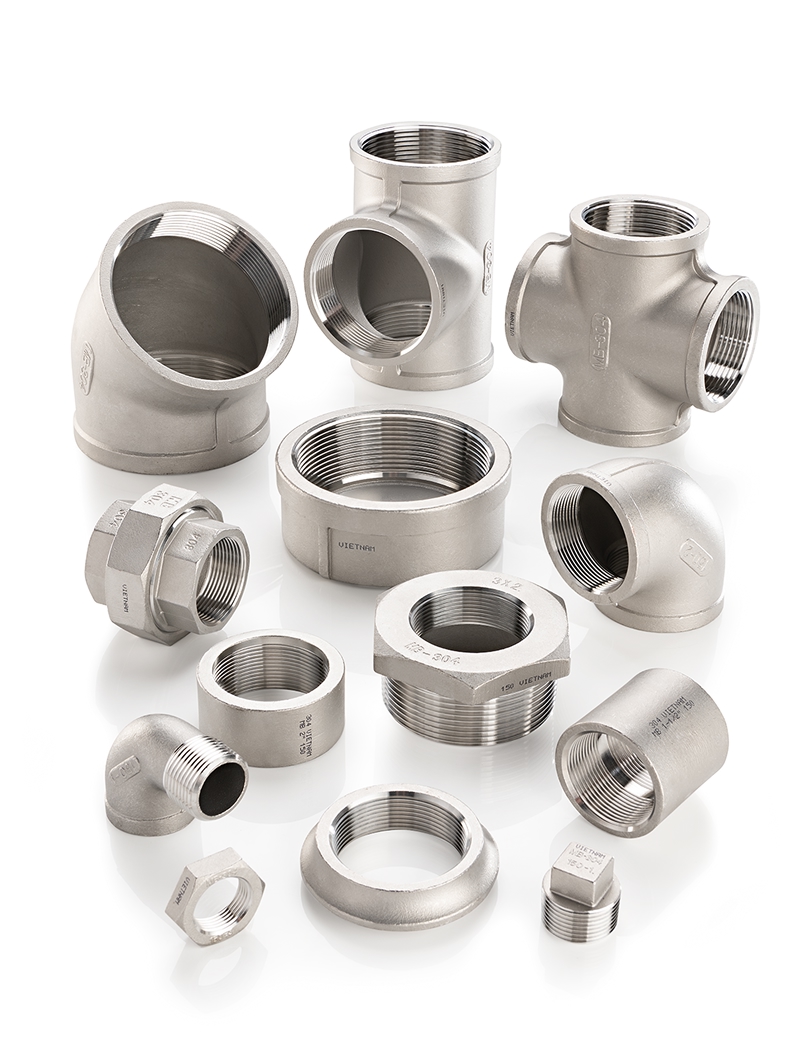
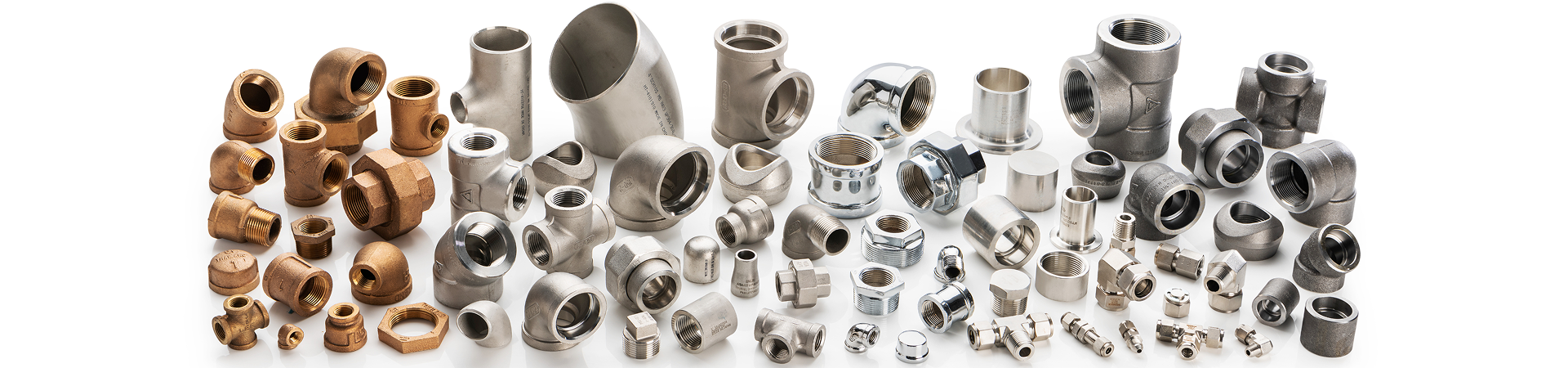
Stainless steel threaded pipe fitting assortment

Types of Pipe Fittings Commonly Used

Standard Fittings

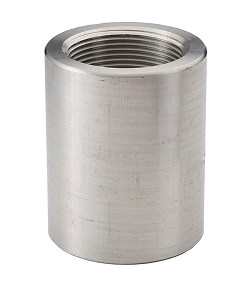
Stainless steel pipe coupling

Pipe Coupling

A coupling connects two pieces of pipe together to extend pipelines, connect equipment, and can be used when repairing leaks. In data centers, pipe couplings are used in all of the various piping systems.

Explore Pipe Couplings
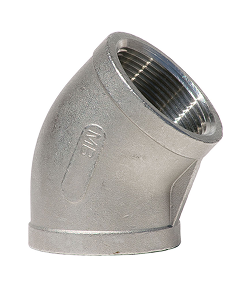
Stainless steel 45-degree pipe elbow

Pipe Elbows

Pipe elbows alter the flow direction of fluids to navigate around the structure. In data centers, this helps to move liquid cooling fluids or air distribution without they systems running into each other.

Explore Pipe Elbows
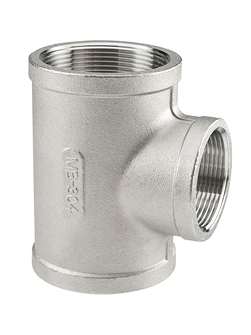
Stainless steel reducing tee pipe fitting

Pipe Tees

Tees are used to split a single pipeline into two, combine two pipelines into one or create a branch off of the main pipeline. In data centers, they are used to split, divert, or combine fluid flows in all systems.

Explore Pipe Tees
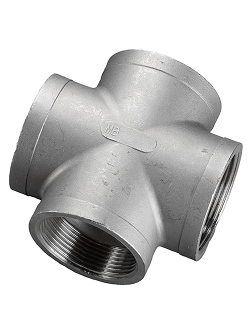
Stainless steel cross pipe fitting

Pipe Crosses

Crosses allow engineers to split, combine, or redirect flow into multiple directions. In data centers, they are used in mechanical and fluid distribution systems, such as chilled water, liquid-to-chip cooling, and fire suppression because they can act as a central hubs.

Explore Pipe Crosses
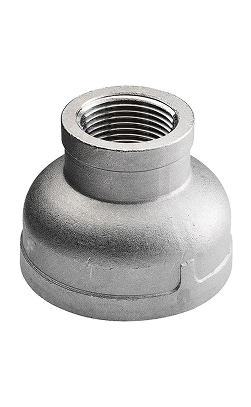
Stainless steel reducing coupling pipe fitting

Reducing Couplings

Reducing Couplings, also known as reducers, are used to connect different pipe diameters and allow facilities to transition between different flow rates and pressures. In data centers, they can be used in all 4 systems where large-diameter main pipes branch into smaller pipes to reach specific units.

Explore Reducing Couplings
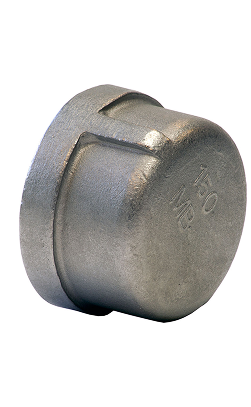
Stainless steel pipe end cap

Pipe End Caps

End caps are used to seal the open end of a pipe. They stop fluid or gas leaks, block contaminants and protect exposed pipe threads during shipping or construction. These pipe end caps are mainly used in cooling systems, utility lines, and fire suppression systems to close off the system, identify a section for future expansion and maintain the piping network.

Explore Pipe End Caps
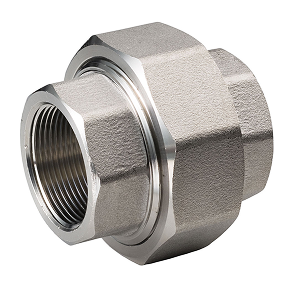
Stainless steel pipe union

Pipe Unions

Pipe unions allow two sections of pipe to be connected & disconnected without cutting the pipe. They allow data centers to complete maintenance quickly, and without impacting the surrounding systems, while also providing a location to easily tie in any future system modifications. Lastly, they reduce the complexities of installation due to the ease with which they can be installed.

Explore Pipe Unions

Expand your Knowledge: A Guide to Major Types and Uses of Pipe Fittings

Explore Pipe Fittings Products
Which Alloy Is Best for Data Centers?

!-- STAINLESS STEEL PROS AND CONS -->

Type 304 & Type 316 Stainless Steel

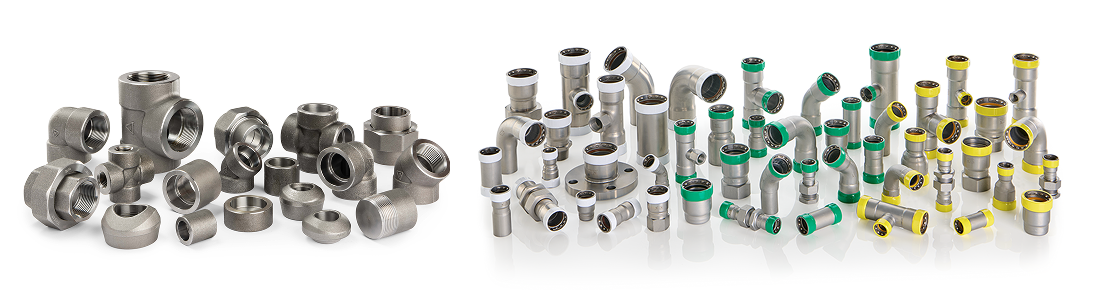
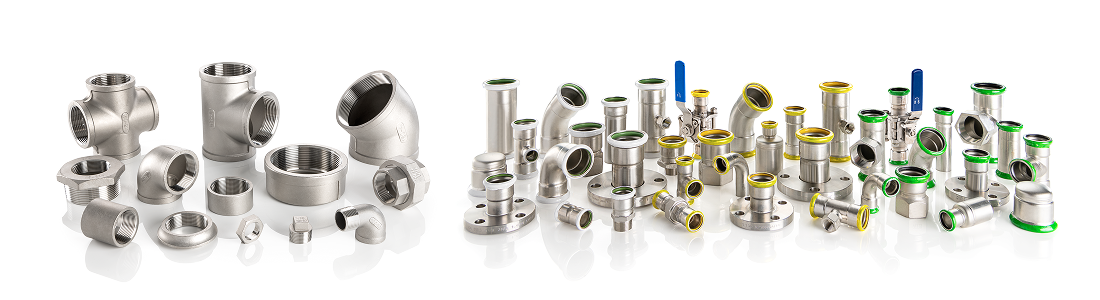
Merit Brass Stainless Steel Pipe Fittings, Press Fittings Product Offering Group Image
Pros Cons
  • Excellent corrosion resistance: protects closed-loop and open-loop cooling systems from corrosion which reduces the risk of leaks & extends the life of the piping system
  • High mechanical strength: Both type 304 & 316 stainless steel fittings withstand pressure, temperature fluctuations which are commonly found in data center cooling infrastructures.
  • Supports maximum uptime: In critical cooling water distribution systems, durable stainless steel fittings provide reliable performance & help continuously maintain operations. This reduces maintenance related downtime
  • Maintains fluid quality: surface is smooth & non-reactive which minimizes scaling, particulate buildup & contaminations withing chilled water & cooling systems. This helps protect data center equipment which is costly & valuable.
  • Fire and heat resistant: Under elevated temperatures, stainless steel retains its structural integrity which helps keep data centers safe & reliable
  • Long service life: Because stainless pipe fittings provide a long operational lifespan & they require minimal maintenance, they are an excellent choice for data centers’ piping systems
  • Chloride resistance: Type 316 stainless steel, which contains molybdenum, provides superior resistance to chloride-induced corrosion. Where water conditions are more aggressive, stainless makes it an ideal choice for facilities near coastal environments
  • Higher upfront material cost: more costly than carbon steel or other alternatives such as plastic. However, data centers prioritize reduced downtime, reliability & longevity of its system vs installation costs.

Expand your Knowledge: Your Guide to Understanding the Differences between 304 vs. 316 Stainless Steel

Explore Stainless Steel Fitting Products Explore Stainless Steel Press Fittings

Carbon Steel

Merit Brass Stainless Steel Pipe Fittings, Press Fittings Product Offering Group Image
Pros Cons
  • High Structural Durability: supports heavy mechanical loads & high-pressure cooling
  • Strong fire performance: Under elevated temperatures, carbon steel maintains its structural integrity giving the system resilience while meeting safety requirement
  • Lower initial investment: Up front, carbon is less expensive than stainless steel
  • Corrosion susceptibility: carbon is prone to rust & oxidization when exposed to oxygen, moisture or untreated water. This leads to an increase in maintenance
  • Potential reliability concerns: corrosion can buildup & restrict flow which reduces the system’s efficiency and increases the risk of leaks over time
  • Higher lifecycle costs: the total cost of a carbon steel system may increase due to protective coatings, water treatment & ongoing maintenance

Expand your Knowledge: Learn More About Carbon Steel

Explore Carbon Steel Fitting Products Explore Carbon Steel Press Fittings

Stainless Steel vs. Carbon Steel:

Material Strength Corrosion Resistance Cost Best Use Case
Stainless Steel High Excellent High Upfront Corrosive environments, cooling systems, and long term applications
Carbon Steel Very high Moderate (can require treatment) Low upfront Non-corrosive environments and more budget-conscious installations

What This Means for PVF Wholesalers

Stocking Strategy

PVF wholesalers are beginning to stock more type 316 & type 304 stainless steel alloys due to data centers demand for them in liquid cooling systems. Stainless steel does provide a fast turn around.

Key Insights

  • Data centers shift to liquid cooling systems, has increased demand for stainless, where a leak-free and corrosion resistant environment is a must
  • PVF wholesalers must have the stainless parts available for data centers because they are built on fast timelines

Positioning

To accommodate the data center boom, PVF wholesalers are adapting their inventory strategy to enhance their offering of stainless steel fittings

Connect With Our PVF Experts
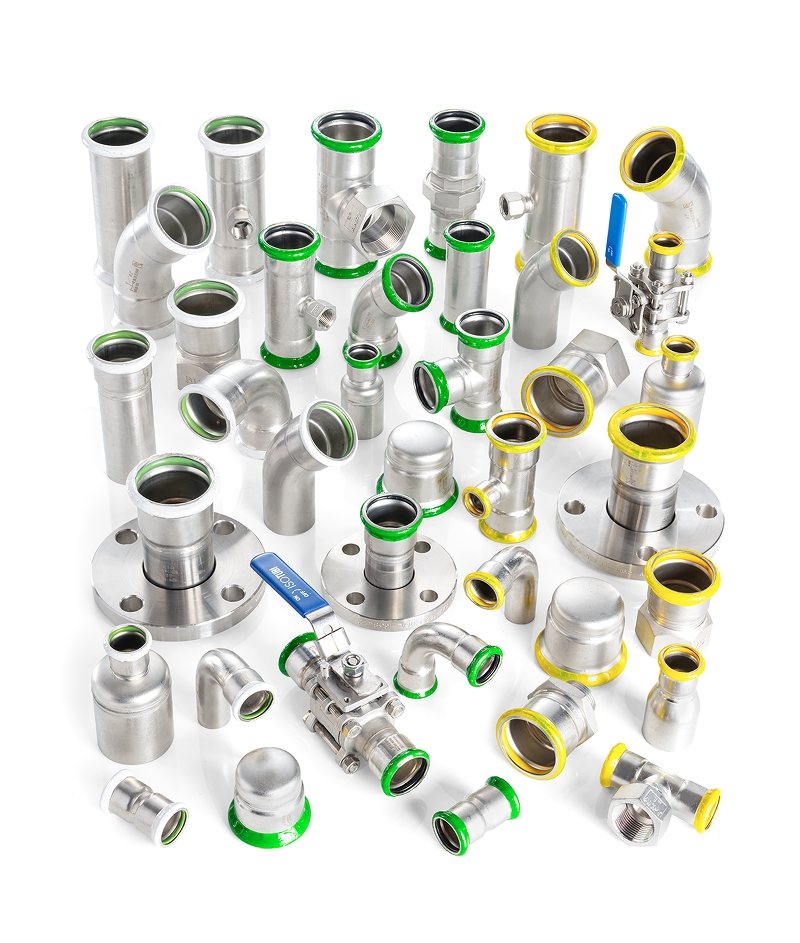
Merit Brass stainless steel press fitting fittings, valves and related PVF products

Key Selection Factors Engineers Consider

In addition to PVF wholesalers, engineers designing data center cooling systems are prioritizing the system’s:

Corrosion resistance
Fluid compatibility
Reliability

With the emergence and growth of artificial intelligence, the systems within data centers need to process information faster, and as a result create more heat which needs to be removed. The liquid cooling loops rely on stainless steel fittings to ensure system uptime.

Conclusion

As artificial intelligence drives higher heat loads and complex cooling requirements, data centers are placing greater pressure on every part of the piping system. Fittings may seem insignificant, but their material, reliability, and compatibility can have a direct impact on system performance.

For many liquid cooling and facility piping applications, stainless steel remains a popular choice as it offers corrosion resistance, durability, and strength in demanding environments.

For PVF wholesalers, this creates an opportunity to support data center projects by stocking materials that align with today’s liquid cooling demands.

Planning a Data Center Cooling Project?

Connect with Merit Brass to discuss pipe, fittings, valves and related PVF requirements for data center cooling infrastructure.

 
Explore Our Product CatalogContact Merit Brass

Explore Pipe Fitting and Data Center Resources


Review Merit Brass product information, technical documents and ordering resources related to pipe fittings, stainless steel and data center piping requirements.

Pipe Fittings and Material Products
Product Documentation
Catalog and Ordering

Related Data Center Articles

The PVF Industry’s Role in Data Center Cooling Efficiency

Explore Article

Stainless Steel Ball Valves Driving Reliability in Data Centers

Explore Article

FAQs

 
Why are stainless steel pipe fittings commonly used in data center cooling systems?

Stainless steel pipe fittings are widely used based on their corrosion resistance, strength and dependable performance in liquid cooling systems. Data centers operate continuously, so minimizing the risk of leaks, contamination, and downtime is critical.

What types of stainless steel fittings are used in data centers?

Data centers use pipe elbows, pipe tees, reducing couplings, pipe couplings, pipe end caps, and pipe unions. Engineers may specify threaded, socket weld, butt weld, or press fittings depending on the system design.

What is the difference between 304 and 316 stainless steel fittings?

Both grades offer strong corrosion resistance, but 316 contains molybdenum, which improves resistance to pitting & corrosion. Since type 316 is more corrosion resistant, it is often selected for glycol-based cooling loops or environments with more aggressive water chemistry. Type 304 is traditionally used in general cooling.

Are stainless steel press fittings suitable for data center applications?

Yes, stainless steel press fittings are being used in data center projects because they simplify installation, provide a secure, leak-free connection and provide the same corrosion resistance as other stainless fittings used in chilled water and liquid cooling systems.

How long do stainless steel pipe fittings typically last?

With proper installation and maintenance, stainless steel pipe fittings can provide decades of service in data center cooling systems. Their resistance to corrosion, temperature, and demanding operation conditions contribute to a long service life and reduce maintenance requirements.

Sources:

11/3/2026 1:07:40 PM

Allow cookies in this website.